

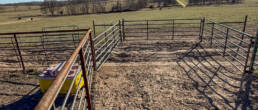
If you’re a farmer, rancher, landowner, or equestrian facility owner in Rolla, Salem, Sullivan, Union, Cuba, St. James, Waynesville, Fort Leonard Wood, or anywhere along the I-44 corridor, you already know one thing for certain: your fence is not just there for looks. It has a job to do every single day.
It has to keep livestock contained. It has to protect valuable animals. It has to stand up to pressure, weather, equipment, and constant use. It has to hold tight through freezing winters, wet springs, humid summers, and the unpredictable conditions Missouri properties face year after year.
That is exactly why the materials behind your fence matter so much.
At Holliday Fencing Services, we have made a deliberate choice when it comes to agricultural fencing, livestock fencing, pipe fencing, horse-safe fencing, and high-tensile fence installations: no wood supports on commercial agricultural and livestock projects.
Instead, we use all-steel bracing.
This is not just a construction preference. It is part of how we build what we consider a true lifetime fence. When your animals, acreage, and operation depend on a fence that holds up, wood bracing simply does not offer the long-term strength and reliability that steel can provide.
In this guide, we’ll explain why all-steel bracing makes such a major difference, when it matters most, and how it can save Missouri property owners time, money, repairs, and frustration over the life of the fence.
What Is All-Steel Bracing?
All-steel bracing means the structural support system of the fence is built with steel instead of wood. This includes key areas like corners, braces, gates, line supports, and other high-pressure points that carry the tension and strength of the fence.
In many traditional fencing systems, wood posts are used for bracing because they are widely available and often cheaper upfront. While wood may work for certain basic residential applications, it has clear limitations when used for agricultural, livestock, or commercial fencing.
Steel bracing creates a stronger, more stable foundation for the entire fence system. When installed correctly, steel resists movement, sagging, bending, rotting, and deterioration far better than wood. That matters because a fence is only as strong as the supports holding it together.
For agricultural fencing in Missouri, this is especially important. High-tensile wire, pipe fencing, horse fencing, cattle fencing, and livestock containment systems all depend on strong bracing. If the brace fails, the fence fails.
Why Wood Bracing Fails Over Time
Wood has been used in fencing for generations, and there are still situations where it may make sense. However, for commercial agricultural fencing and livestock containment, wood comes with several long-term problems.
Missouri’s climate is hard on wood. Fence posts are exposed to moisture, heat, freezing temperatures, insects, and soil conditions that gradually weaken the structure. Even treated wood can break down over time, especially where the post meets the ground.
Some of the most common issues with wood bracing include:
- Wood rot near the base of posts
- Warping and twisting as temperatures change
- Cracking from freeze-thaw cycles
- Weakening from constant livestock pressure
- Movement from heavy rain and soft soil
- Higher risk of failure during storms or high winds
- More frequent maintenance and replacement
A wood brace may look solid when it is first installed, but the real test comes years later. Once wood begins to soften, split, lean, or rot, the entire fence system can lose tension and stability. For a homeowner, that may mean an inconvenience. For a farm, ranch, or equestrian property, it can mean escaped livestock, injured animals, damaged property, and costly emergency repairs.
That is why Holliday Fencing Services chooses all-steel bracing for agricultural and livestock projects. We want the structure behind the fence to be as dependable as the fence itself.
Why All-Steel Bracing Performs Better in Missouri
Missouri weather can be unpredictable and unforgiving. One season can bring freezing temperatures and ice. The next can bring heavy spring rains, saturated soil, and strong winds. Then summer brings heat, humidity, and dry spells that can stress materials in a different way.
Steel performs extremely well in these conditions when it is properly selected, fabricated, welded, and installed.
Unlike wood, steel does not rot in the ground. It does not warp from temperature swings. It does not crack from drying out. It does not weaken the same way when exposed to repeated livestock pressure. When properly installed, all-steel bracing provides a rigid framework that helps the fence maintain its strength and shape for decades.
This is especially important along the I-44 corridor and throughout communities like Rolla, Salem, Sullivan, Union, Cuba, St. James, and Waynesville, where properties often include a mix of pasture, timber, slopes, gravel, clay soil, and open areas exposed to weather.
A strong fence needs to be built for the property it is serving. All-steel bracing gives us a better foundation to create fencing systems that match the demands of Missouri farms, ranches, and equestrian facilities.
The Difference Between a Fence and a Lifetime Fence
Not all fences are built with the same purpose. Some are installed to solve a short-term problem. Others are built to serve a property for decades.
At Holliday Fencing Services, our goal is not to build the cheapest fence possible. Our goal is to build the right fence for the job. For agricultural and livestock clients, that often means investing in a fence that performs long after the installation crew leaves.
A lifetime fence is built with long-term performance in mind. It is designed to reduce maintenance, hold tension, withstand pressure, and protect what matters most on your property.
All-steel bracing is a major part of that standard.
When we install agricultural fencing, pipe fencing, horse fencing, or high-tensile fencing, we are not just thinking about how it looks on day one. We are thinking about how it will hold up five, ten, fifteen, or twenty years from now.
That mindset changes the way a fence is built.
The Lifetime Craftsmanship Warranty Advantage
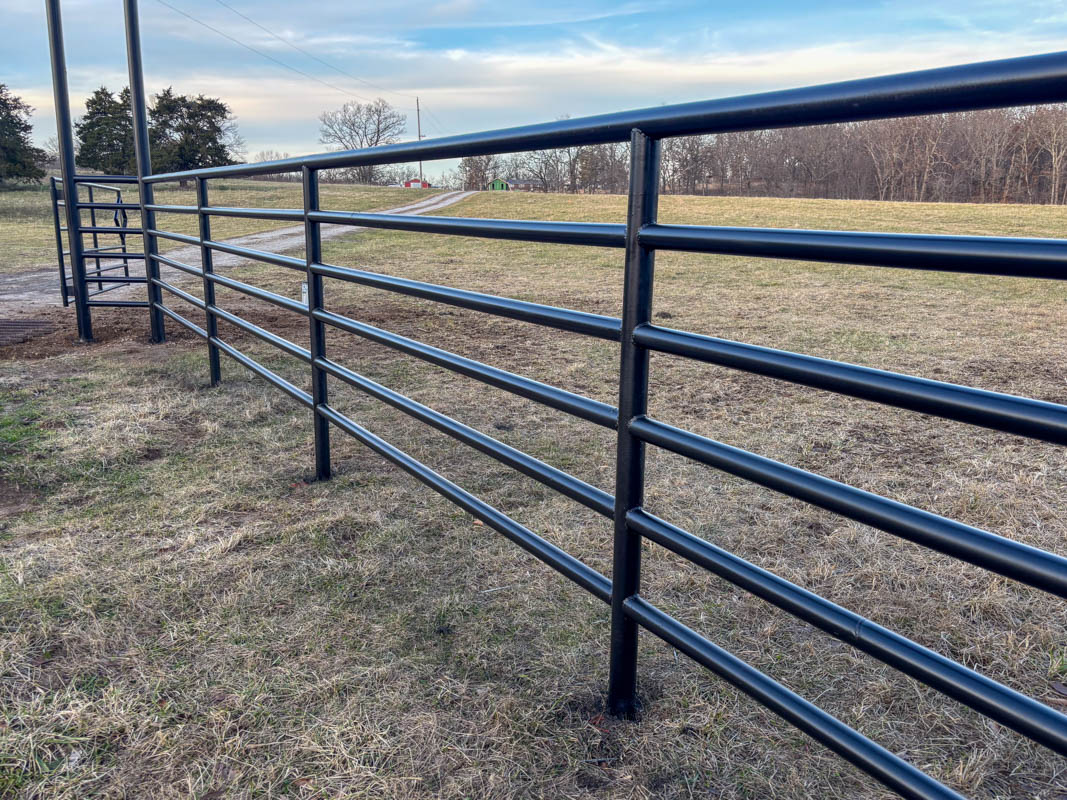
Because we build agricultural and livestock fencing with all-steel bracing, Holliday Fencing Services is able to confidently offer a lifetime craftsmanship warranty on structural welds and braces, as long as damage is not caused by external forces such as fallen trees, vehicle impacts, or other outside damage.
That level of confidence is not common in the fencing industry.
Many fencing companies offer limited warranties that may only cover a few years. Some warranties are focused only on materials. Others exclude the very structural areas that tend to matter most over time.
We stand behind our structural welds and braces because we know how they are built. When steel bracing is properly fabricated, welded, and installed, it creates a level of strength that wood simply cannot match.
For commercial agricultural clients, equestrian facilities, ranches, and livestock operations, this warranty provides added peace of mind. When you are investing in a major fencing project, you deserve to know the company behind it is willing to stand behind the work.
Where All-Steel Bracing Matters Most
All-steel bracing is especially valuable in fencing systems that deal with pressure, tension, movement, or high-value animals.
Cattle Fencing
Cattle are powerful animals, and they put constant pressure on fencing. Whether they are rubbing, pushing, crowding, or moving through gates and working areas, the fence has to be strong enough to hold.
All-steel bracing helps prevent leaning, sagging, and corner failure. This is especially important in high-tensile cattle fencing, pipe corrals, pasture divisions, and working pens.
Horse Fencing
Horse fencing requires a careful balance of strength, visibility, and safety. Horses are valuable, sensitive animals, and fencing failure can quickly lead to injury or escape.
All-steel bracing creates a stable framework for horse-safe fencing systems. Whether it is an equestrian facility, private horse property, pasture fence, or riding area, strong bracing helps reduce movement and improves long-term reliability.
Pipe Fencing
Pipe fencing is often used for high-pressure areas such as corrals, sale barns, arenas, pens, and livestock handling spaces. These areas need serious strength.
Steel bracing pairs naturally with pipe fencing because it supports the structure with the same long-term durability. When pipe fencing is properly welded and braced, it can handle heavy daily use while maintaining a clean, professional appearance.
High-Tensile Fencing
High-tensile fencing depends heavily on proper tension. If the braces are weak, the wire will not perform as intended.
All-steel bracing helps maintain tension and prevents corners or ends from pulling out of alignment. For rotational grazing, pasture divisions, perimeter fencing, and livestock containment, this makes a major difference.
Commercial Agricultural Properties
Large operations need fencing that can keep up with constant activity. Equipment, livestock, gates, weather, and daily use all place stress on a fence system.
For commercial agricultural properties, all-steel bracing offers the durability and consistency needed for long-term performance.
Real-World Benefits of All-Steel Braced Fencing
Choosing all-steel bracing is not just about building a stronger fence. It is about improving the way the fence performs over time.
1. Superior Strength and Durability
Steel offers a level of structural strength that wood cannot match. For farms, ranches, and equestrian properties, this matters every day.
A fence may face livestock pressure, gate movement, equipment traffic, storms, and soil shifting. All-steel bracing helps the system stay stable through those conditions.
2. Less Maintenance
One of the biggest frustrations with wood-braced fencing is the maintenance. Posts rot. Braces loosen. Wires sag. Corners shift. Repairs become part of the routine.
With all-steel bracing, property owners can dramatically reduce many of these maintenance concerns. There are no wood supports to rot out at the base or weaken from weather exposure.
That means fewer repairs, fewer emergency calls, and less time spent fixing the same fence year after year.
3. Better Long-Term Value
Wood-braced fencing may cost less upfront, but the long-term cost can be much higher. Repairs, replacements, labor, downtime, and animal escape risks all add up.
All-steel bracing may require a higher initial investment, but it often provides better value over the life of the fence. When a fence lasts longer and needs less maintenance, the total cost of ownership can be significantly lower.
4. Improved Livestock Safety
A strong fence helps protect animals. Weak fencing can create gaps, sharp failure points, sagging sections, or escape routes.
For high-value horses, breeding stock, cattle, and other livestock, fence strength is a safety issue. All-steel bracing helps create a more secure environment and reduces the risk of preventable problems.
5. Cleaner Professional Appearance
A well-built steel-braced fence looks clean, strong, and intentional. For commercial farms, ranches, sale barns, and equestrian facilities, appearance matters.
Your fence is often one of the first things people notice when they arrive. A strong, properly installed fence reflects the quality and professionalism of the entire operation.
How Holliday Fencing Services Builds All-Steel Braced Fencing
Every property is different, so every fence needs to be planned carefully. At Holliday Fencing Services, we take the time to understand the land, the animals, the purpose of the fence, and the long-term goals of the property owner.
Our process typically includes:
- A thorough site evaluation
- A conversation about how the fence will be used
- Material recommendations based on the property’s needs
- Custom fabrication in our shop when needed
- Professional on-site installation
- Experienced crews who stay until the job is complete
- A final walkthrough to make sure the customer is satisfied
We do not believe in rushing through agricultural fencing projects. A fence that protects livestock, supports a working farm, or surrounds a horse facility deserves careful planning and skilled installation.
Built for Farms, Ranches, and Equestrian Facilities
Holliday Fencing Services is shifting its focus toward commercial agricultural clients because this is where our style of work brings the most value.
We are a strong fit for:
- Farms
- Ranches
- Equestrian centers
- Horse properties
- Cattle operations
- Sale barns
- Livestock facilities
- Large acreage properties
- Commercial agricultural sites
- High-tensile pasture systems
- Pipe fence projects
- Custom gates and welded fence systems
When animals, equipment, and daily use are part of the equation, the fence needs to be built with more than basic materials. It needs strength, planning, and craftsmanship behind it.
That is where our all-steel approach makes the difference.
Not Just for Large Operations
While all-steel bracing is especially important for commercial agricultural work, the same quality mindset can also benefit residential property owners.
Many homeowners in Rolla, Salem, Sullivan, and surrounding Missouri communities choose Holliday Fencing Services because they do not want a fence they will have to replace in a few years. They want something built right the first time.
For residential acreage, small hobby farms, horse owners, and rural properties, steel-braced fencing can still be a smart investment. If durability, safety, and long-term value matter, it is worth considering a stronger build.
Why Cheaper Is Not Always Better
It is understandable to compare prices when planning a fence project. Fencing can be a major investment, especially on larger properties. However, the lowest bid is not always the best value.
A cheaper fence may save money upfront, but if it starts leaning, sagging, rotting, or failing within a few years, the savings disappear quickly.
When comparing fencing options, property owners should ask:
- What materials are being used for the braces?
- Are the supports wood or steel?
- How are corners and gates reinforced?
- Is the fence built for livestock pressure?
- What kind of warranty is included?
- Will the contractor stand behind the structural work?
- How much maintenance will this fence require over time?
These questions matter because a fence is not just a purchase. It is part of your property’s infrastructure.
Ready to Build a Fence That Lasts?
If you are tired of fences that do not hold up, contractors who do not follow through, or repairs that keep coming back, it may be time to invest in a better-built fencing system.
At Holliday Fencing Services, we build more than fences. We build long-term solutions for the farms, ranches, equestrian facilities, and property owners who depend on them every day.
Our all-steel bracing approach is designed for strength, safety, durability, and long-term value. Whether you need pipe fencing for a livestock facility, horse-safe fencing for an equestrian property, high-tensile fencing for pasture management, or a custom agricultural fence built for serious use, our team is ready to help.
Contact Holliday Fencing Services today for a free estimate on your next fencing project in Rolla, Salem, Sullivan, Union, Cuba, St. James, Waynesville, Fort Leonard Wood, or anywhere along the I-44 corridor.
Call or text (573) 247-6723 or email nick@hollidayweldingandfence.com.
Let’s build something strong together.
Ready to Start Your Fencing Project?
At Holliday Fencing Services, we provide honest advice, quality craftsmanship, and reliable service — whether you need residential privacy fencing, commercial agricultural solutions, security perimeter fencing, or anything in between.
Contact us today for a free, no-obligation estimate.
Like this article? Spread the word!
Related Posts
November 1, 2026
How To Secure a Commercial Property on I-44
Securing a business along the I-44 corridor? Learn how to choose fence height, materials…

October 1, 2026
Holliday Welding & Fence’s Guide to Choosing a Residential Fence Material in Central Missouri
Not sure which fence material fits your Central Missouri home? Compare chain link, wood,…

September 1, 2026
How to Choose the Right Fence for Cattle, Horses, or Mixed Livestock
Choosing a fence for cattle, horses, or mixed livestock? See what to consider, then…