

Fencing a property that supports both cattle and horses takes more planning than a single-purpose pasture fence. Cattle need containment that can handle pressure and weight, while horses need fencing that protects them from injury and reduces the risk of panic-related accidents. When a property is used for both, the fence design has to account for two very different sets of behavior and risk, and a one-size-fits-all approach rarely holds up over time.
Many properties in Central Missouri run cattle and horses side by side, whether as part of a working farm, a small hobby operation, or a mix of grazing land and personal riding space. The challenge is building a fence system that keeps both types of livestock safe and contained without overspending on materials that are not suited to how the land is actually used.
Whether you are converting a farm to mixed use, expanding an existing operation, or planning a new property near Salem or elsewhere in Central Missouri, understanding what each type of livestock needs from a fence is the first step toward a setup that lasts.
Understanding the Needs of Cattle and Horse Properties in Central Missouri
Cattle and horses put different demands on a fence line. Cattle are heavy, tend to push against fencing when grazing near a boundary, and can cause damage over time if a fence is not built with enough strength and bracing. Horses, on the other hand, are more prone to spooking and moving quickly, which means visibility and injury prevention matter just as much as containment strength. A fence built only with cattle in mind may not offer the visibility or forgiving contact points that horses need to stay safe.
A fence that works well for one type of livestock is not always the right choice for the other. For example, barbed wire is a common and affordable option for cattle, but it is generally discouraged for horse enclosures because of the injury risk if a horse becomes tangled or runs into it. Properties that run both cattle and horses often need a combination of fence types, with different sections built for different uses depending on which animals will spend the most time near a given boundary.
Herd size, temperament, and how closely animals interact with people and equipment also factor into the decision. A property with young or high-energy horses may need sturdier fencing and wider sightlines than one with older, calmer animals, and cattle operations that involve frequent handling or sorting may need extra gates and stronger corners than a simple perimeter fence would require.
Before choosing materials, it helps to think through a few property-specific factors:
- How the land will be divided between cattle and horse areas
- Whether livestock will be rotated through shared pasture space
- The terrain, drainage, and soil conditions across the property
- How much daily interaction the animals will have with the fence line
- Whether the property will need separate handling or sorting areas
Taking time to map out these details before installation begins helps avoid costly changes later and results in a fence system built around how the property will actually be used.
Choosing the Right Fence Type for Mixed-Use Farms in South Central Missouri
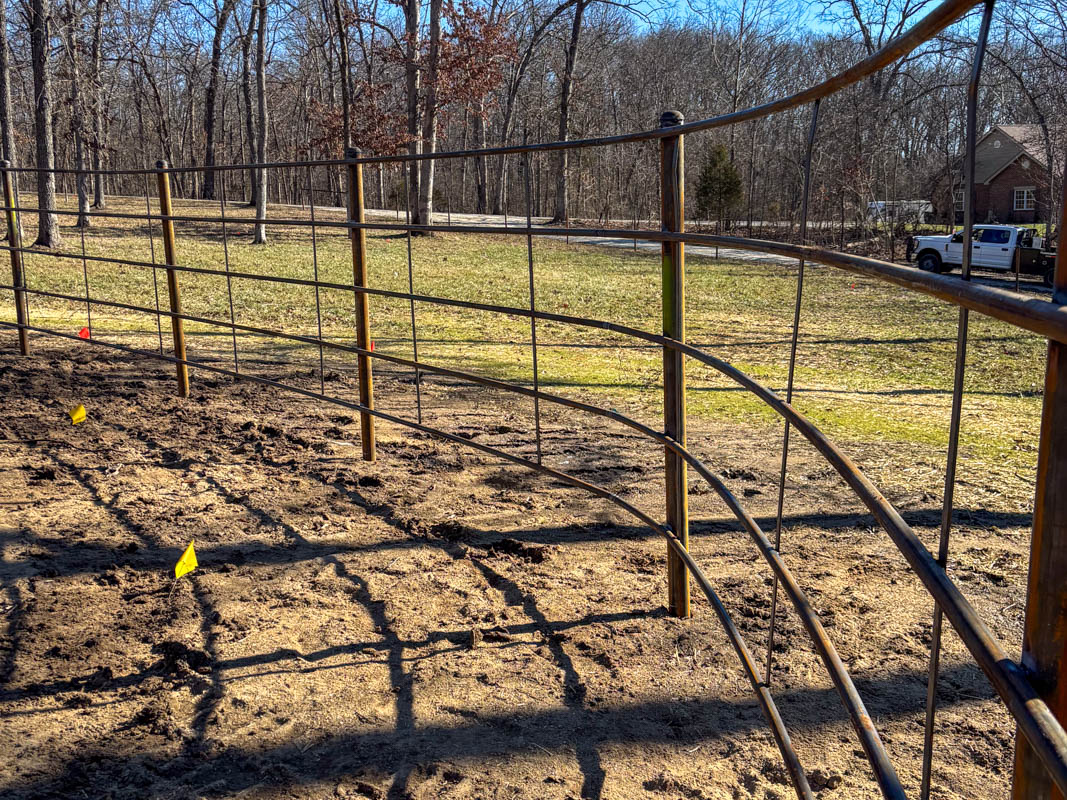
There is no single fence type that works best for every mixed-use property. The right choice usually depends on budget, the number and type of animals, and how the land is laid out. Some properties do well with one fence type used consistently across the entire boundary, while others benefit from mixing materials based on which pastures house cattle, which house horses, and which are shared. A few of the most common options for cattle and horse properties include:
Pipe Fencing
Pipe fencing is a strong, low-maintenance option that works well for both cattle and horses. It holds up under pressure, does not have the injury risk associated with barbed wire, and requires very little upkeep once installed. It is also a good fit for high-traffic areas like corrals, working pens, and gate entries where extra strength matters most. Our pipe fencing and livestock containment solutions are a popular choice for properties that need durable, long-term containment.
High Tensile and Electric Fencing
High tensile fencing, often paired with an electric component, is a cost-effective way to contain cattle across large areas. It can also be adapted for horse pastures when designed with visibility and safety in mind, such as using wider spacing between wires and adding a top rail for better sightlines. Learn more about our high tensile and electric fencing options if you are managing larger acreage.
Woven Wire
Woven wire fencing offers good visibility and containment for horses while still holding up against cattle pressure, making it a common choice for mixed-use pastures that need one fence type to serve both purposes. It is often used along shared boundary lines where cattle and horses may graze in the same general area at different times of year.
For properties that house horses specifically, our team also builds fencing designed around equine safety standards, including smooth rail options and spacing designed to reduce the chance of injury. You can read more in our guide to horse safe fencing and equine facilities.
Gates, Entryways, and Access for Working Properties
A fencing plan is only as functional as its access points. Cattle and horse properties typically need multiple gates for moving equipment, trailers, and livestock between pastures, and access points should be planned early rather than added as an afterthought. Poorly placed gates can create bottlenecks during handling, make it harder to move equipment during bad weather, or force livestock through tighter spaces than necessary.
It also helps to think about how gates will be used day to day versus how they will be used occasionally. A main entrance that sees regular vehicle and trailer traffic has different requirements than a smaller gate used only for seasonal pasture rotation, and planning for both up front avoids the need to retrofit access points later.
Some questions worth considering when planning gates and entryways:
- Will equipment or trailers need to pass through regularly?
- Are separate gates needed for cattle pastures versus horse paddocks?
- Should any entrances be automated for convenience or security?
- Is there a clear, dry path leading to each gate for use in wet weather?
- Will the property need a dedicated entrance for deliveries or visitors?
We design and install entryways, gates, and automation solutions that fit the daily workflow of the property, whether that means a simple pasture gate or a more involved entrance for a working farm.
Planning for Terrain, Spacing, and Long-Term Durability
Central Missouri’s mix of rolling terrain, clay soil, and seasonal weather changes can put extra strain on a fence line if it is not built to handle it. Post spacing, bracing, and corner strength all play a role in how well a fence performs over time, and cutting corners in these areas tends to show up as sagging lines, leaning posts, or loose wire within just a few years.
Sloped pastures and low-lying areas need particular attention, since water runoff and soil movement can gradually shift posts if drainage is not accounted for during installation. Properties near creeks, ponds, or seasonal wet areas often need deeper post settings or additional bracing to keep the fence line stable through wet seasons.
A few factors that affect long-term durability include:
- Post depth and spacing based on soil type and slope
- Corner and end-post bracing strong enough to handle tension
- Drainage planning to prevent posts from loosening over time
- Material choice suited to freeze and thaw cycles
- Regular tension checks on wire fencing as seasons change
Corner and gate posts carry the most stress on any fence line, which is why proper bracing matters more than many property owners expect. We covered this in more detail in our post on why all-steel bracing matters for fencing across the I-44 corridor.
Common Mistakes to Avoid When Fencing a Cattle and Horse Property
Even experienced property owners run into avoidable issues when planning fencing for mixed livestock use. Some of the most common mistakes include:
- Using barbed wire in areas accessible to horses
- Underestimating the number of gates needed for daily operations
- Choosing fence height or spacing that does not match the animals being contained
- Skipping proper bracing on corners and gate posts to save on upfront cost
- Not accounting for future expansion when laying out pasture divisions
- Installing the same fence type everywhere instead of matching materials to each area’s use
Working with a contractor who understands both agricultural fencing and livestock behavior can help catch these issues during the planning stage, before they turn into repairs or safety concerns later on. This is especially true on larger operations that combine grazing land with commercial agricultural fencing needs, where the cost of correcting a poorly planned fence line only grows over time.
Quick Checklist for Planning Your Fencing Project
Before starting a cattle and horse fencing project, it helps to walk through a short planning checklist. Reviewing these items ahead of time can save time during the estimate process and help our team give you a more accurate picture of cost and timeline from the start.
- Identify which areas of the property will house cattle, horses, or both
- Choose fence materials suited to each type of livestock
- Plan gate locations based on daily equipment and animal movement
- Confirm post spacing and bracing match the property’s terrain and soil
- Consider future pasture expansion or rotational grazing needs
- Decide whether any sections need automated or secured access
Working through these details ahead of time makes the installation process smoother and results in a fence system built to hold up for years, not just the first season.
Ready to Plan Your Cattle and Horse Fencing Project?
Every property is different, and the right fencing plan depends on how the land is used, what livestock it supports, and how the layout needs to function day to day. Our team has experience helping property owners across Rolla, Salem, Cuba, St. James, and the surrounding areas plan fencing that fits both cattle and horse operations without unnecessary compromise between strength and safety.
If you are ready to move forward with a cattle and horse fencing project, we would be glad to walk through your property, talk through the best materials for your land, and put together a plan that fits your budget and timeline. Request an Appointment with our team today and let’s start planning a fence built to last.
Ready to Start Your Fencing Project?
At Holliday Fencing Services, we provide honest advice, quality craftsmanship, and reliable service — whether you need residential privacy fencing, commercial agricultural solutions, security perimeter fencing, or anything in between.
Contact us today for a free, no-obligation estimate.
Like this article? Spread the word!
Related Posts

How to Choose the Right Fence for Cattle, Horses, or Mixed Livestock
Choosing a fence for cattle, horses, or mixed livestock? See what to consider, then…

Horse Safe Fencing and Equine Facilities in Rolla, Missouri
Expert horse safe fencing and equine facility solutions in Rolla, MO. Contact Holliday…
How To Secure a Commercial Property on I-44
Securing a business along the I-44 corridor? Learn how to choose fence height, materials…