

If you are planning to fence a property that holds cattle, horses, or a mix of both, the type of fence you choose matters just as much as how well it is built. A fence that works well for a herd of cattle is not always the right choice for horses, and a fencing plan that ignores the terrain, herd size, or mix of animals on a property can lead to escaped livestock, injuries, and expensive repairs down the road. Whether you are setting up a new pasture, upgrading an older fence line, or planning fencing for a working ranch or equestrian facility, understanding your options before you start makes the whole project go smoother.
We work with farms, ranches, and equestrian properties across Rolla, MO and the surrounding area, so we know how much is riding on getting this decision right. A fence is often protecting animals worth thousands of dollars, so it is worth taking the time to think through materials, layout, and long-term durability before any posts go in the ground. Here is what to consider before you choose a fence for cattle, horses, or a mixed-use property.
Why the Right Livestock Fence Depends on More Than Budget
It is tempting to choose a fence based on upfront cost alone, but livestock fencing is really a decision about risk. A fence that is too weak for the animals it contains, or built with the wrong materials for the terrain, can lead to escaped livestock, injuries, or a fence that needs to be replaced far sooner than expected. In the long run, the cheapest fence up front is rarely the cheapest fence over the life of the property.
Cattle put steady, ongoing pressure on a fence, especially along tree lines, water access points, and corners where they tend to gather and lean. Horses, on the other hand, are more prone to injury if a fence has sharp edges, loose wire, or gaps they can get a leg or hoof caught in. Horses also tend to test a fence more than cattle do, whether that is leaning over it to reach grass on the other side or pacing a fence line when they are anxious. A property with both cattle and horses, or one that rotates between livestock types, needs a fence built to handle the more demanding animal, not the easier one.
That is why we build our agricultural fencing with all-steel bracing rather than wood posts. Steel bracing holds up better under constant pressure, does not rot, shift, or weaken the way wood can over time, and gives us the confidence to back our agricultural fencing with a lifetime craftsmanship warranty.
Fencing Options for Cattle and Mixed Livestock Operations
Cattle and general livestock containment usually call for fencing that prioritizes strength and coverage over fine detail. The right choice often depends on herd size, pasture layout, and whether the fence needs to hold up around a working area like a sale barn or loading pen.
- Pipe fencing: A common choice for corrals, working pens, and sale barn areas where livestock are handled frequently and the fence needs to take a beating from crowding and contact.
- Woven wire fencing: Offers reliable containment for cattle and mixed herds across open pasture, especially on larger acreages where a continuous, low-maintenance barrier matters more than fine adjustability.
- Barbed wire fencing: A traditional option for cattle-only pastures where cost efficiency across long fence lines is the priority.
- High-tensile electric fencing: A flexible option for rotational grazing or properties that need to adjust pasture boundaries as herd size or grazing plans change.
We install pipe fencing and livestock containment systems for sale barns, working pens, and general pasture use throughout mid-Missouri. For properties that need more flexibility, our high-tensile and electric fencing options, including coated wire, give you a way to manage grazing without committing to a fixed fence line for every acre.
Fencing Options for Horses and Equine Facilities
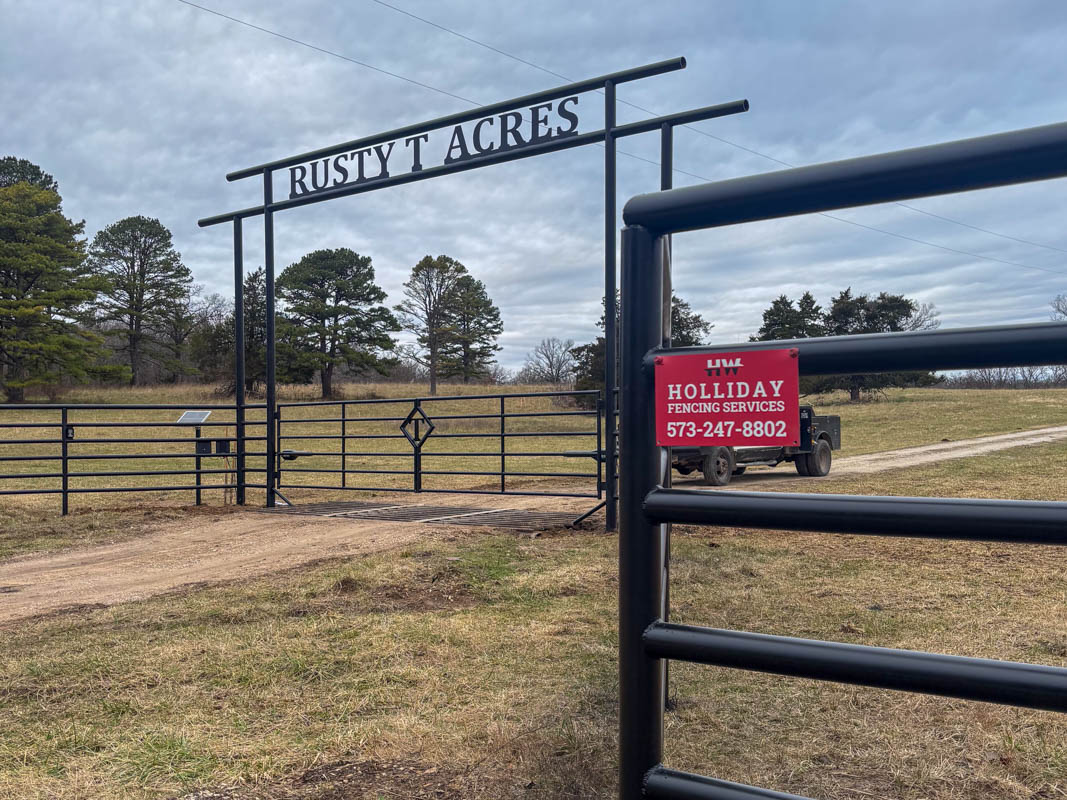 Horses require a different approach than cattle. Because horses are more likely to be injured by sharp wire, low-visibility fencing, or gaps in a fence line, we lean toward materials that reduce the risk of injury while still holding up to daily use around a paddock or arena.
What to Look for in Horse-Safe Fencing
- Smooth wire instead of barbed wire, which lowers the risk of cuts and lacerations if a horse comes into contact with the fence
- Coated high-tensile wire, which adds visibility and a bit of give without sacrificing overall strength
- Steel bracing at gates and corners, since these are the spots that take the most wear from horses testing a fence or crowding at a gate
- Enough visibility along the fence line that horses can see it clearly, especially if they are moving at a run
Barbed wire is generally not recommended around horses, even though it remains a common and affordable option for cattle-only pastures. If your property is used for both cattle and horses, we usually recommend separating pastures so horses are kept away from barbed wire sections entirely, rather than trying to use one fence type for the whole property. Our horse-safe and equine fencing options are built with this in mind, whether you are fencing a small paddock, a full arena, or an entire equestrian facility.
How Terrain and Property Layout Affect Your Fencing Choice
Beyond the type of livestock you keep, the shape and terrain of your property play a bigger role than most people expect. Rolling pasture, wooded tree lines, creek crossings, and uneven ground each present their own challenges, and a fencing plan that ignores them tends to fail in the same spots over and over.
Fence lines that run through low-lying areas or cross a creek need extra attention to keep water flow from washing out posts or bracing over time. Corners and gate areas, where livestock naturally gather and put the most pressure on a fence, benefit from steel bracing even if the rest of the pasture uses a lighter-duty option. Long, straight runs across open pasture are usually the easiest to plan for, while properties with a lot of natural obstacles often end up needing a mix of fencing types rather than one single solution across the whole property.
This is one of the reasons we walk every property in person before recommending a fencing plan. What works on a flat, cleared pasture is not always the right approach for a wooded or hilly section of the same farm, and seeing the ground firsthand helps us plan bracing, gates, and material choices that will actually hold up. It also gives us a chance to talk through access points for equipment, where you will need gates for daily chores versus occasional use, and how the fence line should tie into any existing fencing already on the property.
Steel Bracing, Warranties, and Long-Term Durability
Once you have settled on the type of fencing, the next question is how it will hold up over time. This is where construction details matter as much as the fencing material itself.
On the agricultural side, we only use steel bracing, with no wood posts anywhere in the system. Wood posts can rot, shift, or crack over time, especially in Missouri’s mix of wet springs and dry summers, and once a post fails it usually takes the surrounding fence line with it. Steel bracing holds its position year after year, which is why we back our agricultural fencing with a lifetime craftsmanship warranty covering issues like broken or cracked welds.
Wood privacy fencing, which is more common on residential properties, carries a three-year craftsmanship warranty instead, since wood naturally wears differently than steel-braced agricultural fencing. If your property includes both a home and pasture or working livestock areas, our residential fencing and agricultural fencing may cover different sections, so it is worth discussing which materials and warranty terms apply to each part of your property during your estimate. We can also walk you through financing options through a local credit union if you would rather spread out the cost of a larger fencing project.
Choosing a Fencing Contractor for Your Missouri Farm or Ranch
Livestock fencing is not a job you want to redo in a year or two, which makes the contractor you choose almost as important as the fencing material itself. Look for a company that understands the difference between fencing for cattle and fencing for horses, uses USA-made materials, and is willing to walk through your specific setup instead of applying the same fence to every property regardless of terrain or herd type.
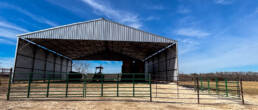
We are a family-owned fencing company based near Rolla, MO, and we serve properties throughout Salem, Sullivan, Union, and the Cuba and St. James area, along with Waynesville and Fort Leonard Wood. Many of our agricultural clients also need supporting structures once the fence is in, including entryways and gates at driveway or pasture access points, or a hoop barn for hay and equipment storage. We can plan for these upfront so your whole property works together instead of being pieced together over several separate projects.
Quick Checklist Before You Fence a Livestock Property
- Identify which animals will use each section of fence, since cattle and horses have different needs
- Avoid barbed wire in any area horses will access, and consider separating pastures if you keep both cattle and horses
- Ask whether the fence uses steel bracing or wood posts, and what warranty applies to each
- Consider high-tensile or electric fencing if you plan to rotate pastures or adjust boundaries later
- Walk the property with your contractor so terrain, corners, and gate locations are planned for, not an afterthought
- Plan for supporting structures like gates, entryways, or storage buildings at the same time as your fence
- Get a written estimate that spells out materials, warranty terms, and timeline before work begins
Ready to Fence Your Property the Right Way?
Choosing the right fence for cattle, horses, or a mixed-use property takes some planning, but you do not have to figure it out on your own. Our team has spent years fencing farms, ranches, and equestrian properties across mid-Missouri, and we are glad to walk through your property, your herd, and your goals with you before recommending a fencing plan built around how you actually use your land.
If you are ready to move forward, Request an Appointment with our team and we will help you put together a fencing plan built to last.
Ready to Start Your Fencing Project?
At Holliday Fencing Services, we provide honest advice, quality craftsmanship, and reliable service — whether you need residential privacy fencing, commercial agricultural solutions, security perimeter fencing, or anything in between.
Contact us today for a free, no-obligation estimate.
Like this article? Spread the word!
Related Posts

Holliday Welding & Fence’s Guide to Fencing for Cattle and Horse Properties in Central Missouri
Planning fencing for a cattle and horse property in Central Missouri? Request an…

Horse Safe Fencing and Equine Facilities in Rolla, Missouri
Expert horse safe fencing and equine facility solutions in Rolla, MO. Contact Holliday…
How To Secure a Commercial Property on I-44
Securing a business along the I-44 corridor? Learn how to choose fence height, materials…